
Introduction
Many people lose teeth due to injury, decay, or gum disease. A Fixed Partial Denture (FPD), also known as a dental bridge, is a common solution. This dental device fills the gap left by missing teeth. Not only does it restore your smile, but it also helps you chew and speak better. In this blog, you will learn what a Fixed Partial Denture is, when to consider it, and how to care for it.
What is a Fixed Partial Denture (FPD)?
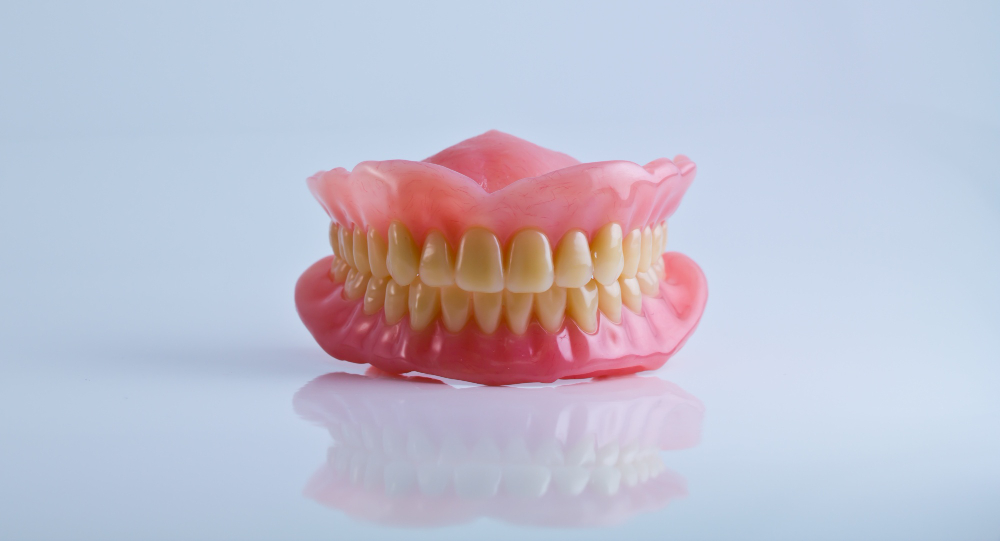
A Fixed Partial Denture (FPD) is a dental bridge that replaces one or more missing teeth. Unlike removable dentures, an FPD stays in your mouth. It is attached to the teeth on either side of the gap. These supporting teeth are called abutment teeth. The replacement tooth, called a pontic, fills the empty space. Because it is fixed, you do not remove it for cleaning. Instead, you care for it like your natural teeth.
Common Symptoms and When to Consider FPD
Sometimes, missing teeth cause problems that affect daily life. You may notice:
If you have any of these symptoms, you might benefit from a dental bridge. However, only a dentist can tell if an FPD is right for you.
Causes Leading to the Need for FPD
There are several reasons why someone may need a Fixed Partial Denture. For example, you may lose a tooth due to:
Over time, missing teeth can cause other teeth to move. This can lead to bite problems and jaw pain. Therefore, replacing missing teeth with an FPD can help prevent these issues.
Diagnosis and Evaluation for FPD
First, your dentist will examine your mouth. They may take X-rays to check your teeth and jawbone. Next, the dentist will look at the health of your gums and nearby teeth. If your teeth are strong enough, you may be a good candidate for an FPD. Sometimes, your dentist may suggest other options if your gums or teeth are not healthy.
Treatment Options: How FPD is Placed
The FPD procedure usually takes two or more visits. Here is what you can expect:
After the procedure, you can eat and speak more comfortably. However, you should follow your dentist’s care tips for best results.
Benefits and Risks of FPD
There are many fixed partial denture benefits. For instance, an FPD:
However, there are some risks. For example, the abutment teeth may become sensitive. Rarely, the bridge may loosen or break. Good oral care helps lower these risks. According to the American Dental Association, most FPDs last 5 to 15 years with proper care.
Care and Maintenance Tips for FPD
Proper FPD care tips can help your dental bridge last longer. Try these simple steps:
With good care, your FPD can stay strong and look great for years.
Prevention: How to Avoid Needing an FPD
While FPDs are helpful, it is best to keep your natural teeth healthy. Here are some tips to prevent tooth loss:
By following these steps, you can lower your risk of needing a dental bridge in the future.
Conclusion
In summary, a Fixed Partial Denture (FPD) is a safe and effective way to replace missing teeth. It can restore your smile and improve your quality of life. If you think you may need an FPD, consult a qualified dentist like Dr. Jagadish for personalized advice about Fixed Partial Dentures.