
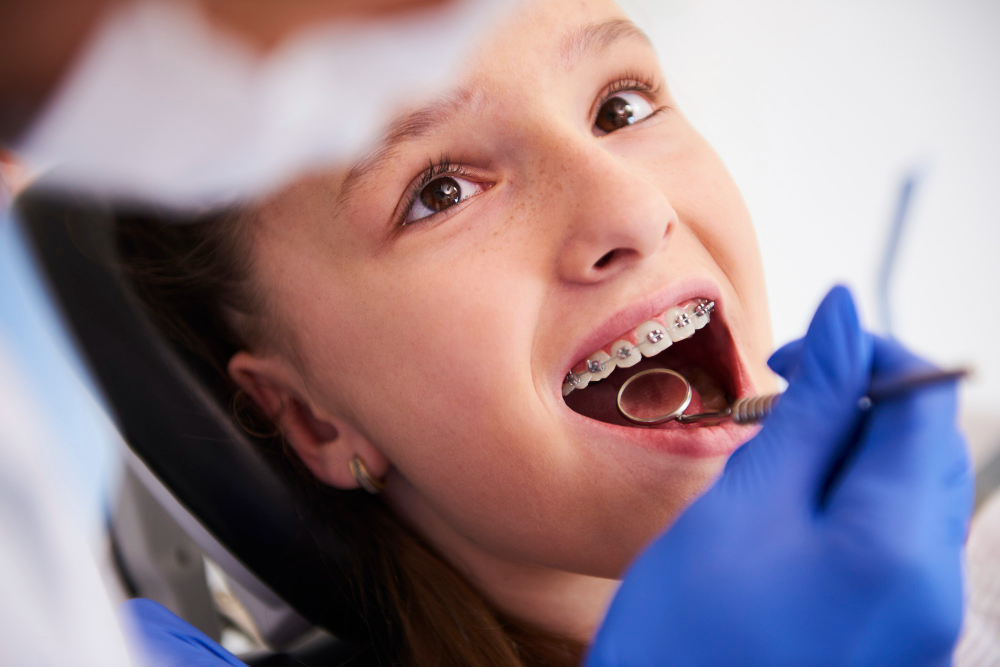
What Are Dental Braces and Why Is Care Important?
Dental braces are special devices that help straighten teeth. Many people use them to fix crowded or crooked teeth. Braces use gentle pressure to move teeth into the right spot. Because braces cover parts of your teeth, cleaning can be harder. For this reason, braces care tips are very important. Good care helps prevent tooth decay and gum problems. According to the American Dental Association (ADA), proper care keeps your mouth healthy during treatment.
Common Challenges During Braces Treatment
Wearing braces can bring new challenges. For example, food can easily get stuck in the wires and brackets. This can make brushing and flossing more difficult. Sometimes, you may feel discomfort or have sore spots in your mouth. Also, some foods can damage your braces. However, with the right habits, you can avoid most problems. Understanding these challenges helps you stay prepared.
Daily Oral Hygiene Tips for Braces Wearers
Keeping your teeth clean with braces takes extra effort. Still, it is possible with a few simple steps. First, brush your teeth after every meal. Use a soft-bristled toothbrush and fluoride toothpaste. Next, clean around the brackets and wires carefully. In addition, floss at least once a day. Special floss threaders or orthodontic floss can help reach between teeth. Furthermore, rinse with water or mouthwash to remove leftover food. The ADA recommends brushing for two minutes each time. With these habits, you can keep your teeth and gums healthy.
Foods to Avoid and Recommended Diet
Some foods can harm your braces or make cleaning harder. For instance, sticky or hard foods may break wires or brackets. Because of this, it is best to avoid them. Instead, choose soft foods that are easy to chew. Also, cut fruits and vegetables into small pieces. This makes them safer to eat. Here are some foods to avoid and some that are safe:
By following these tips, you can protect your braces and teeth.
How to Handle Discomfort or Emergencies
Sometimes, braces may cause discomfort. For example, new wires can make your mouth sore. If this happens, rinse with warm salt water to soothe your mouth. You can also use orthodontic wax to cover sharp spots. If a wire or bracket breaks, do not panic. Instead, call your orthodontist for advice. Until you visit, avoid touching the broken part. If a wire pokes your cheek, use a cotton swab to move it gently. However, never try to fix braces yourself. The CDC suggests seeing your orthodontist for any urgent issues.
Visiting Your Orthodontist: Frequency and Expectations
Regular visits to your orthodontist are important during braces treatment. Usually, you will go every four to eight weeks. During these visits, your orthodontist checks your progress and adjusts your braces. They may tighten wires or replace rubber bands. In addition, your orthodontist will check for any problems. Always tell them if you feel pain or notice loose parts. Keeping up with these visits helps your treatment go smoothly. Moreover, your orthodontist can give more braces care tips at each visit.
Preventing Cavities and Gum Issues with Braces
Braces can trap food and make it easier for plaque to build up. Plaque is a sticky film that can cause cavities and gum disease. To prevent these problems, follow good oral hygiene during braces. Brush and floss as recommended. Use fluoride toothpaste to strengthen your teeth. Some people use a water flosser for extra cleaning. Also, avoid sugary snacks and drinks, as they can lead to tooth decay. Regular dental checkups help spot problems early. With these steps, you can keep your teeth and gums healthy while wearing braces. Consult Dr. Jagadish for dental solutions.