Introduction to Pregnancy and Oral Health
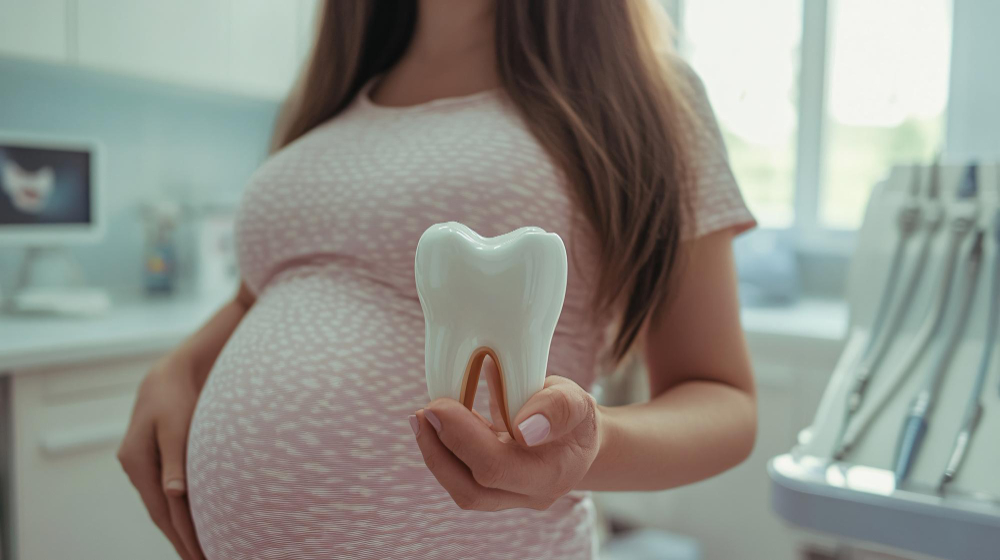
Pregnancy and oral health are closely linked. During pregnancy, your body goes through many changes. These changes can affect your teeth and gums. For this reason, dental care during pregnancy is very important. Good oral health helps protect both you and your baby. According to the CDC, pregnant women are more likely to have gum problems. However, with the right care, you can keep your mouth healthy.
Common Oral Health Issues During Pregnancy
Many women notice changes in their mouth during pregnancy. Some common oral health issues include:
Although these problems are common, they can be managed with good care.
Causes and Risk Factors Linking Pregnancy and Oral Health
Several factors increase oral health risks during pregnancy. For example, hormone changes can make gums more sensitive. In addition, morning sickness can expose teeth to stomach acid. This acid can weaken tooth enamel. Sometimes, cravings for sugary foods also raise the risk of cavities. Furthermore, some women may brush or floss less due to tiredness or nausea. All these factors can affect your oral health during pregnancy.
Symptoms to Watch For
It is important to notice early signs of dental problems. Watch for these symptoms:
If you notice any of these signs, contact your dentist. Early treatment can prevent bigger problems.
Diagnosis and When to See a Dentist
Regular dental checkups are safe during pregnancy. Dentists can spot problems early and suggest safe treatments. If you have pain, swelling, or bleeding gums, see your dentist soon. Even if you feel fine, it is wise to have at least one dental visit during pregnancy. Let your dentist know you are pregnant. This helps them choose the best care for you and your baby.
Safe Dental Treatments During Pregnancy
Most dental treatments are safe during pregnancy. However, the second trimester is often the best time for routine care. Dentists can safely do cleanings, fillings, and treat gum disease. X-rays are usually safe with proper shielding, but they are only done if needed. If you need urgent dental care, do not delay. Your dentist will use medicines that are safe for you and your baby.
Home Care and Lifestyle Tips for Pregnant Women
Good oral hygiene at home is very important. Here are some tips for pregnant women:
By following these steps, you can lower your risk of dental problems.
Prevention Strategies for Oral Health Problems in Pregnancy
Preventing oral health issues is easier than treating them. For example, regular dental visits help catch problems early. In addition, keeping up with daily brushing and flossing is key. Eating a balanced diet also supports healthy teeth and gums. If you smoke, try to quit, as smoking raises the risk of gum disease. Finally, talk to your dentist about any concerns. They can guide you on the best ways to protect your oral health during pregnancy.
Conclusion
Pregnancy and oral health are connected. Taking care of your mouth helps keep you and your baby healthy. If you have questions or notice any problems, consult Dr. Jagadish for personalized advice during pregnancy.