Zirconia Crowns: Benefits, Procedure, and Care for a Healthy Smile

Introduction to Zirconia Crowns

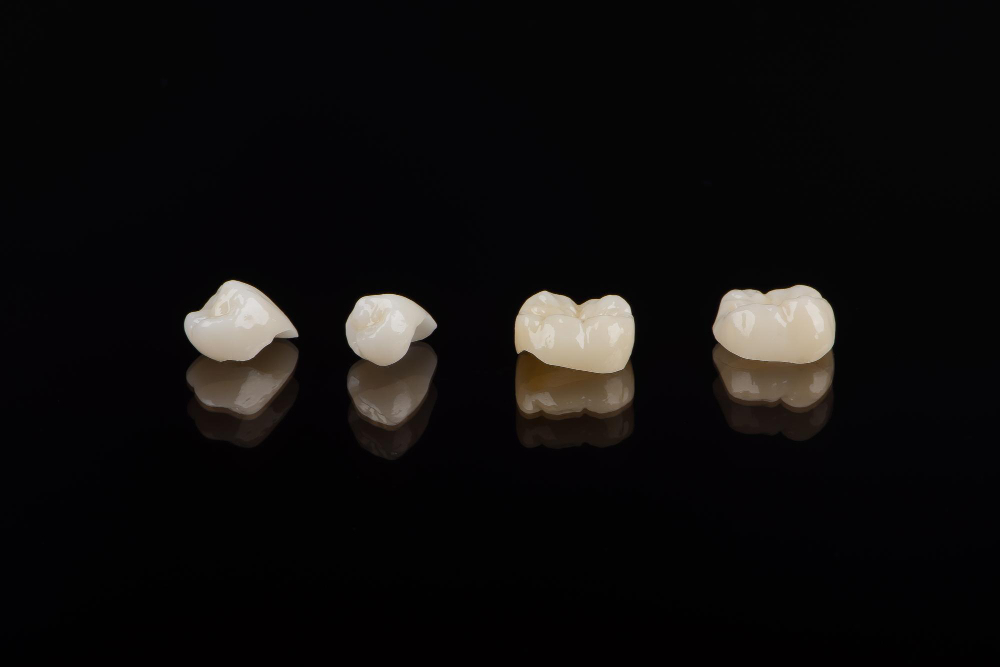
Zirconia crowns are a popular choice for restoring damaged or weak teeth. These crowns use a strong ceramic called zirconia. Because of their strength and natural look, many dentists recommend them. In fact, zirconia crowns are often used for both front and back teeth. If you want a long-lasting and attractive dental solution, zirconia dental crowns may be right for you.

Key Benefits of Zirconia Crowns

There are many advantages of zirconia crowns. For example, they offer:

  • Strength: Zirconia is very durable and can handle daily chewing.
  • Natural Appearance: These crowns look like real teeth, so they blend in well.
  • Biocompatibility: Most people do not react to zirconia, making it safe for many.
  • Less Tooth Removal: Dentists often remove less of your natural tooth for a zirconia crown.
  • Stain Resistance: Zirconia crowns resist stains from coffee, tea, or food.
  • Because of these benefits, many patients choose zirconia dental crowns over other types.

    Who Should Consider Zirconia Crowns?

    Not everyone needs a zirconia crown. However, you may be a good candidate if you:

  • Have a cracked, broken, or weak tooth
  • Need to cover a dental implant
  • Want to improve the look of a discolored tooth
  • Have metal allergies and need a metal-free option
  • Still, your dentist will help you decide if zirconia crowns are the best choice for your needs.

    Step-by-Step Procedure for Getting Zirconia Crowns

    The zirconia crown procedure is simple and safe. Here is what you can expect:

  • Consultation: First, your dentist checks your tooth and takes X-rays.
  • Tooth Preparation: Next, the dentist shapes your tooth to fit the crown.
  • Impression: Then, a mold or digital scan of your tooth is made.
  • Temporary Crown: While your zirconia crown is made, you may get a temporary crown.
  • Crown Placement: Finally, the dentist fits and cements the zirconia crown onto your tooth.
  • Most people complete the zirconia crown procedure in two visits. However, some dental offices offer same-day crowns using special machines.

    Aftercare and Maintenance Tips

    Proper zirconia crown aftercare helps your crown last longer. For best results, follow these tips:

  • Brush your teeth twice a day with a soft toothbrush
  • Floss daily to remove food and plaque
  • Avoid biting hard foods or objects, such as ice or pens
  • Visit your dentist for regular check-ups and cleanings
  • If you grind your teeth at night, ask your dentist about a mouthguard
  • With good care, zirconia crowns can last many years. According to dental journals, some crowns last over 10 years (PubMed).

    Potential Risks or Side Effects

    Although zirconia crowns are safe, there are some possible risks. For instance, you may notice:

  • Sensitivity to hot or cold foods at first
  • Minor discomfort after the procedure
  • Rarely, the crown may chip or become loose
  • If you feel pain or your bite feels off, contact your dentist. Most issues are easy to fix. The World Health Organization notes that dental crowns are generally safe when placed by trained professionals.

    Frequently Asked Questions

  • How long do zirconia crowns last?
  • With proper care, they often last 10-15 years or more.
  • Are zirconia crowns safe for people with allergies?
  • Yes, because zirconia is metal-free and rarely causes reactions.
  • Do zirconia crowns look natural?
  • Yes, they are tooth-colored and blend in well with your smile.
  • Can I eat normally with a zirconia crown?
  • Yes, but avoid very hard foods to protect your crown.
  • Conclusion

    Zirconia crowns offer many benefits, from strength to a natural look. They are a great choice for many people needing dental crowns. However, only a dental specialist can decide if they are right for you. Consult Dr. Jagadish to find out if zirconia crowns are right for you.