What Are Proper Brushing Techniques?
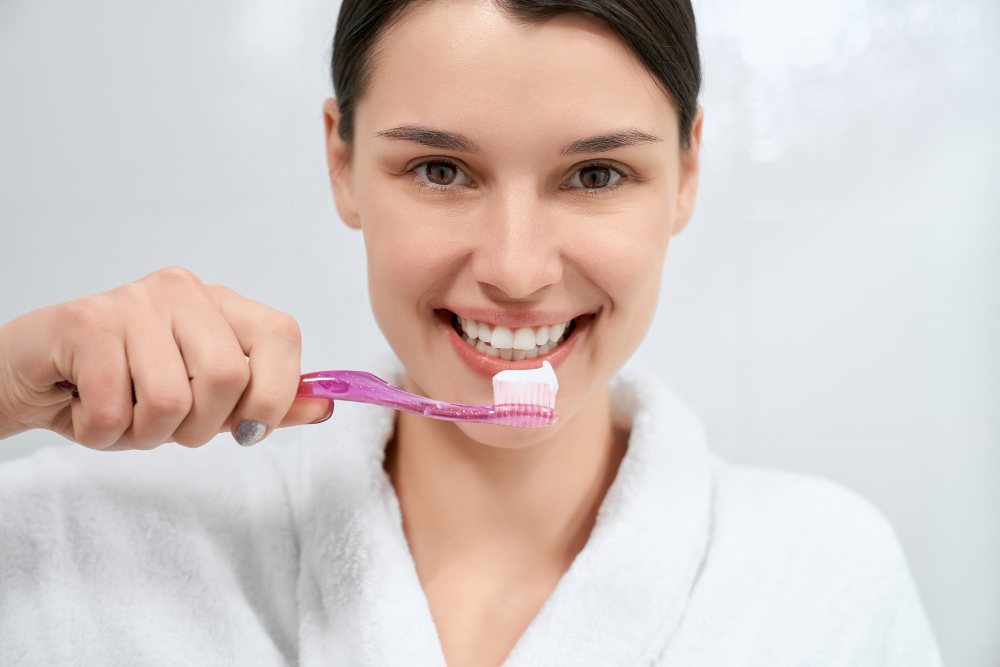
Brushing techniques are the ways you clean your teeth with a toothbrush. Using the right method helps remove food and plaque. For best results, you should use gentle, small strokes. In fact, brushing techniques matter more than brushing hard. The right way can keep your teeth and gums healthy. According to the CDC, brushing twice daily is key for oral health.
Why Correct Brushing Matters for Oral Health
Proper brushing techniques help prevent cavities and gum disease. When you brush the right way, you remove harmful bacteria. This keeps your mouth clean and fresh. Moreover, correct brushing protects your gums from damage. It also helps prevent bad breath. Over time, good habits lower your risk of tooth loss. The World Health Organization stresses the importance of daily brushing for a healthy mouth.
Step-by-Step Guide to Effective Brushing
To brush your teeth properly, follow these steps:
By following these steps, you use the best brushing techniques for healthy teeth and gums.
Common Mistakes to Avoid
Many people make simple mistakes when brushing. However, you can avoid these with a few tips:
With care, you can avoid these common errors and improve your oral health.
Tips for Children and Adults
Both children and adults need good brushing habits. For children, use a small, soft brush. Help them brush until they can do it alone. In addition, make brushing fun with songs or timers. For adults, choose a brush that fits your mouth. Electric toothbrushes can help if you have trouble with hand movement. No matter your age, always use gentle strokes and fluoride toothpaste.
How Often and When to Brush
Most experts, including the CDC, recommend brushing your teeth twice a day. Once in the morning and once before bed is best. After eating sugary foods, wait 30 minutes before brushing. This helps protect your tooth enamel. Regular brushing keeps your mouth clean and helps in preventing cavities with brushing.
Prevention of Dental Problems Through Proper Brushing
Good brushing techniques lower your risk of many dental problems. For example, you can prevent cavities, gum disease, and bad breath. Brushing removes plaque, which causes tooth decay. In addition, it keeps your gums strong. Over time, these habits save you from painful dental visits. The American Dental Association says that proper brushing is a simple way to keep your smile healthy.
Conclusion
In summary, using the best brushing techniques is key for healthy teeth and gums. Remember to brush gently, cover all areas, and replace your toothbrush often. For more help, consult Dr. Jagadish for personalized brushing advice.