What is Full Mouth Rehabilitation?
Full mouth rehabilitation is a dental treatment that restores the health, function, and look of your entire mouth. It often combines several dental procedures to repair teeth, gums, and bite. As a result, you can chew, speak, and smile with confidence. Many people call this process a smile makeover or dental restoration. Full mouth rehabilitation helps those with many dental problems regain a healthy, beautiful smile.
Common Reasons for Full Mouth Rehabilitation
There are several reasons why someone may need full mouth rehabilitation. Sometimes, dental issues build up over time. Other times, an accident or illness causes sudden damage. For example, you may need this treatment if you have:
Additionally, people with birth defects or long-term oral health issues may benefit from full mouth rehabilitation.
Symptoms Indicating the Need for Full Mouth Rehabilitation
Some signs may show you need full mouth rehabilitation. For instance, you might notice:
If you have any of these symptoms, it is important to see a dentist soon. Early care can prevent further problems.
Diagnosis and Assessment Process
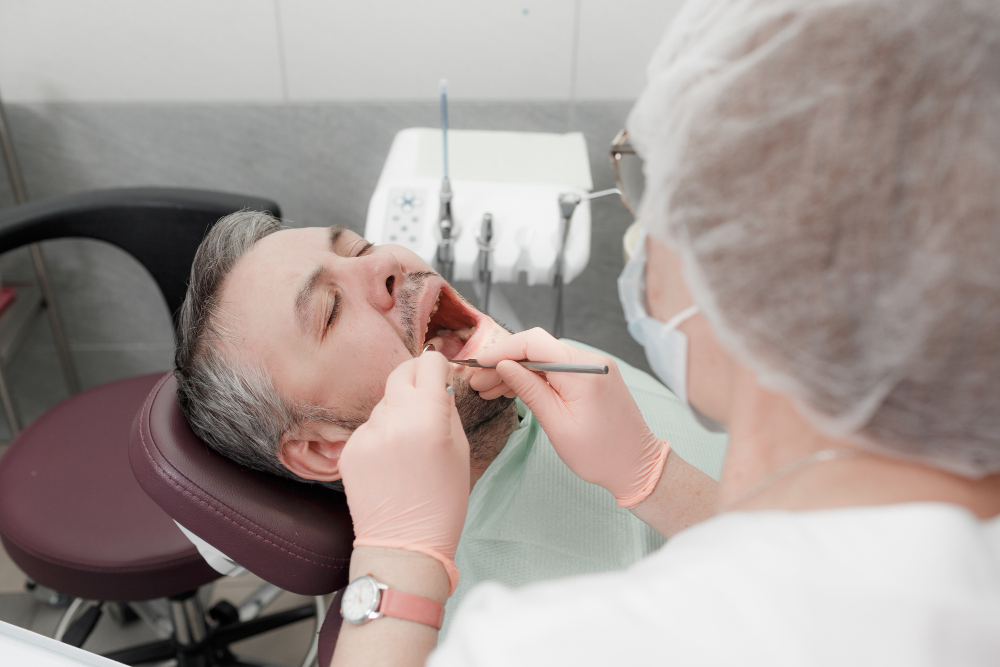
First, your dentist will do a full exam of your mouth. They may take X-rays, photos, and dental impressions. Next, your dentist will check your teeth, gums, jaw, and bite. They will also ask about your health history and goals. After gathering all the information, your dentist will create a custom treatment plan. This plan will address your unique needs and help restore your oral health.
Treatment Options and Procedures
Full mouth rehabilitation often uses several dental treatments. Depending on your needs, your dentist may suggest:
Sometimes, treatment happens in stages. Your dentist will explain each step and answer your questions. This way, you know what to expect throughout your smile makeover journey.
Benefits of Full Mouth Rehabilitation
There are many benefits to full mouth rehabilitation. Not only does it restore your smile, but it also improves your health. For example, you may notice:
Moreover, a healthy mouth can support your overall well-being. According to the World Health Organization, good oral health is linked to better quality of life.
Recovery, Aftercare, and Lifestyle Tips
After full mouth rehabilitation, proper care is important. Your dentist will give you instructions for healing and daily care. For example, you should:
In addition, healthy habits like not smoking and eating a balanced diet can help your results last longer.
Prevention and Long-Term Oral Health
Even after full mouth rehabilitation, prevention is key. Regular dental check-ups help catch problems early. Also, good oral hygiene at home keeps your teeth and gums strong. Try to:
With these steps, you can protect your new smile and enjoy lasting oral health.
Conclusion
Full mouth rehabilitation can restore both function and beauty to your smile. It offers hope for those with many dental issues. If you notice signs like pain, missing teeth, or trouble chewing, do not wait. Consult a dental specialist Dr. Jagadish for personalized guidance on full mouth rehabilitation. Your journey to a healthy, confident smile can start today.