
Introduction
Gum care for long-term oral health is more important than many people realize. Healthy gums support your teeth and help keep your mouth free from disease. When you take care of your gums, you protect your smile for years to come. In this blog, you will learn why gum care matters, how it affects your overall health, and what steps you can take for healthy gums. Good gum care is a key part of oral hygiene for gums and helps prevent gum disease.
The Role of Gums in Oral Health
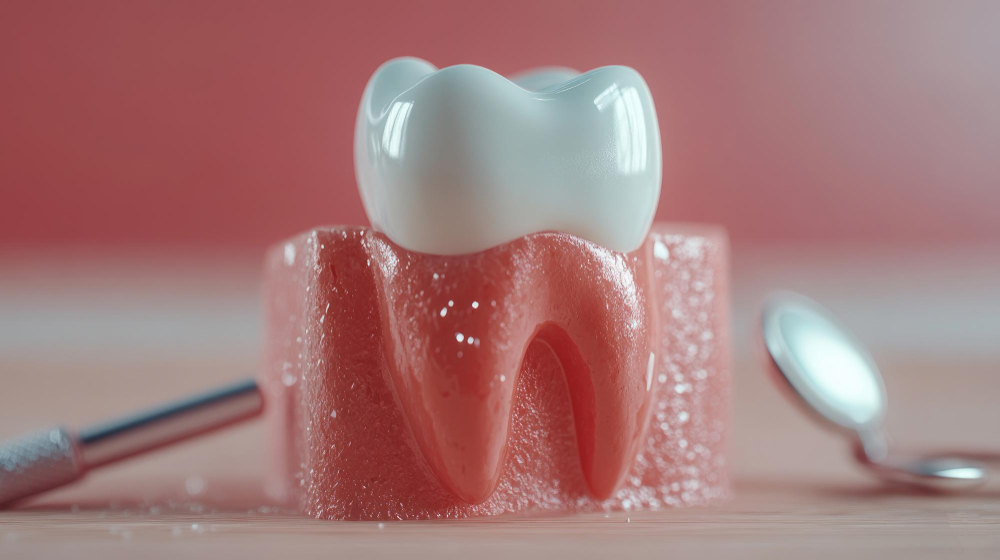
Gums are the soft tissues that hold your teeth in place. They act as a barrier, keeping harmful bacteria away from the roots of your teeth. Because gums support your teeth, they play a big role in your ability to chew and speak. Healthy gums also help prevent tooth loss. In addition, strong gums protect the bone under your teeth. Without good gum care, your teeth can become loose or even fall out.
Consequences of Poor Gum Care
Neglecting gum care can lead to several problems. For example, you may develop gingivitis, which is the early stage of gum disease. Signs include red, swollen, or bleeding gums. If left untreated, gingivitis can turn into periodontitis. This advanced gum disease can damage the bone and tissue that hold your teeth. As a result, you may lose teeth. Poor gum health is also linked to other health issues, such as heart disease and diabetes, according to the CDC. Therefore, taking care of your gums is important for your whole body.
Essential Gum Care Practices
There are simple steps you can take every day to keep your gums healthy. These habits are easy to follow and make a big difference over time. For best results, try to include these in your daily routine:
By following these healthy gums tips, you can reduce your risk of gum disease and enjoy long-term oral health.
Prevention Tips for Healthy Gums
Preventing gum problems is easier than treating them. First, visit your dentist regularly for check-ups and cleanings. Dentists can spot early signs of gum disease and help you manage it. Second, replace your toothbrush every three to four months. Old brushes do not clean as well. Third, limit sugary snacks and drinks, as they feed harmful bacteria. Finally, manage stress, since it can weaken your immune system and affect your gums.
With these prevention tips, you can keep your gums strong and healthy for life.
When to See a Dentist
Sometimes, gum problems need professional care. If you notice any of the following signs, see your dentist soon:
Early treatment can prevent serious issues. Dentists can offer gum disease prevention advice and treatments tailored to your needs. In some cases, they may suggest deep cleaning or other procedures to restore gum health.
Conclusion & Call-to-Action
In summary, gum care for long-term oral health is vital for a healthy smile and overall well-being. Simple daily habits and regular dental visits can help you avoid gum disease and tooth loss. Remember, healthy gums support your teeth and protect your health. For the best results, consult Dr. Jagadish for personalized gum care advice.