Full mouth rehabilitation is a complete dental treatment plan. It aims to restore your smile and improve your oral health. Many people need this process when they have several dental problems. For example, you may need full mouth rehabilitation if you have worn, broken, or missing teeth. This treatment can help you eat, speak, and smile with confidence again. In this blog, you will learn about the full mouth rehabilitation process, dental restoration options, and how it can lead to oral health improvement.
What Is Full Mouth Rehabilitation?
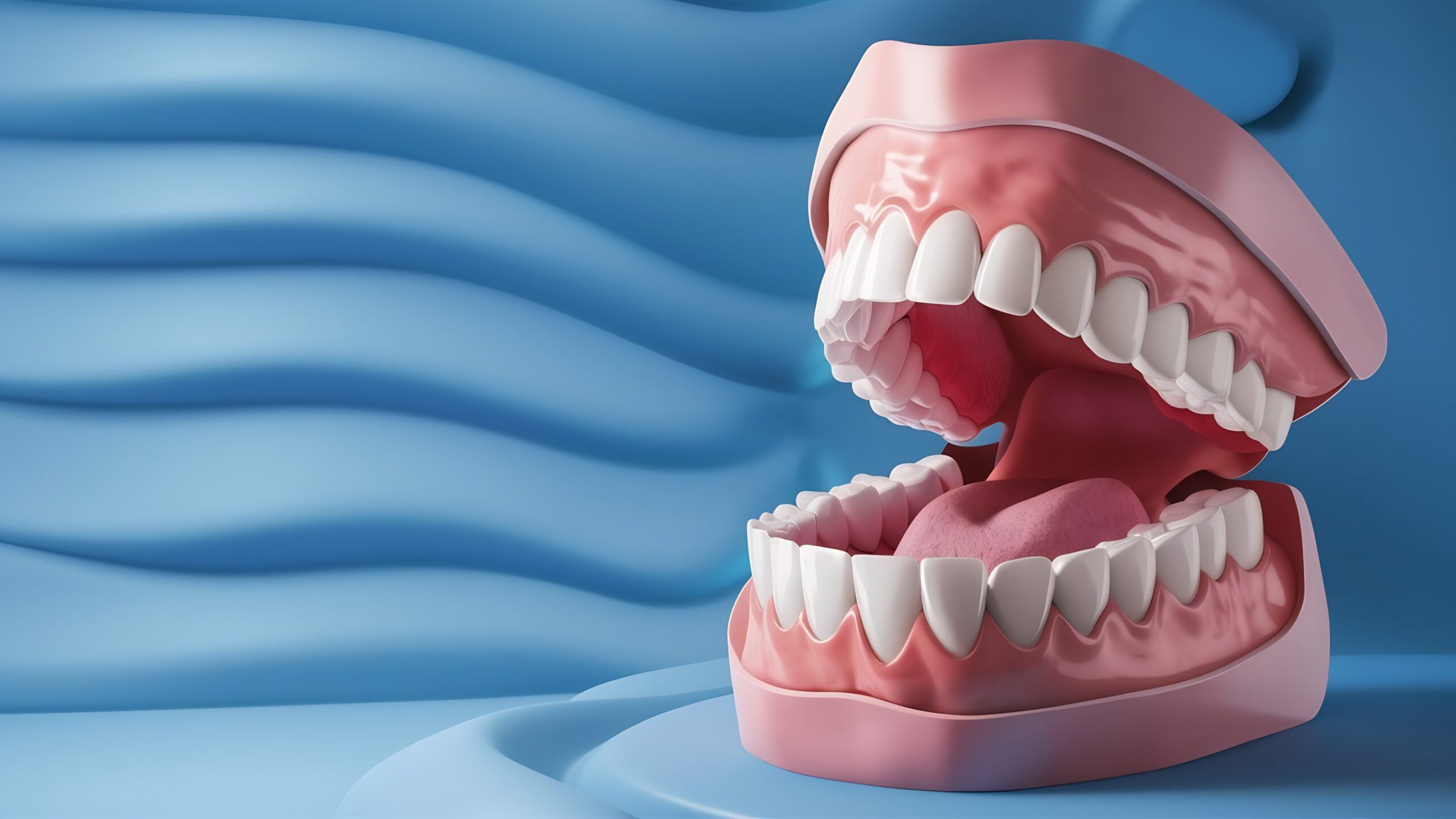
Full mouth rehabilitation is a set of dental procedures. Its main goal is to rebuild or replace all teeth in your mouth. Sometimes, dentists call it full mouth reconstruction or restoration. This process combines different treatments to fix teeth, gums, and your bite. As a result, it helps restore both function and appearance. Dentists create a plan that fits your unique needs. They use the latest dental technology to achieve the best results.
Who Needs Full Mouth Rehabilitation?
Not everyone needs full mouth rehabilitation. However, some people have dental issues that affect most or all of their teeth. You may need this treatment if you:
In many cases, full mouth rehabilitation is the best way to restore oral health and function.
Symptoms and Signs Indicating the Need for Full Mouth Rehabilitation
Causes Leading to Full Mouth Rehabilitation
Several dental problems can lead to the need for full mouth rehabilitation. For instance, untreated cavities can cause tooth loss. Gum disease may damage the bone and tissues that support your teeth. In some cases, accidents or injuries can break or knock out teeth. Additionally, habits like teeth grinding or acid reflux can wear down your teeth over time. Sometimes, genetic conditions affect the strength and shape of your teeth. All these issues can make it hard to eat, speak, or smile comfortably.
Diagnosis and Assessment
First, your dentist will examine your mouth carefully. They may take X-rays, photos, and dental impressions. Next, they will check your teeth, gums, and jaw alignment. Dentists also ask about your medical and dental history. After gathering all this information, they create a detailed treatment plan. This plan outlines the steps needed for your full mouth rehabilitation process. Your dentist will explain each step and answer your questions before starting.
Treatment Options and Procedures
Full mouth rehabilitation often includes several dental restoration options. Depending on your needs, your dentist may suggest:
Each treatment is chosen to meet your specific needs. Your dentist will guide you through every step of the process.
Benefits and Expected Outcomes
Full mouth rehabilitation offers many benefits. Most importantly, it restores your ability to eat and speak comfortably. Your smile will look healthier and more attractive. In addition, you may notice less pain and fewer dental problems. Many people feel more confident after treatment. With proper care, the results can last for many years. Overall, this process leads to better oral health and a higher quality of life.
Recovery, Aftercare, and Lifestyle Tips
After your treatment, it is important to follow your dentist’s advice. Here are some helpful tips:
With good aftercare, you can enjoy your new smile for a long time.
Prevention and Long-Term Maintenance
To prevent future dental issues, practice good oral hygiene every day. For example, brush twice daily and floss once a day. Eat a balanced diet and limit sugary snacks. Visit your dentist for regular check-ups and cleanings. If you grind your teeth, ask about a night guard. By taking these steps, you can protect your smile and keep your mouth healthy.
Frequently Asked Questions
If you think you may need full mouth rehabilitation, consult dental specialist Dr. Jagadish. They can give you personalized advice and help restore your smile and oral health.