Introduction
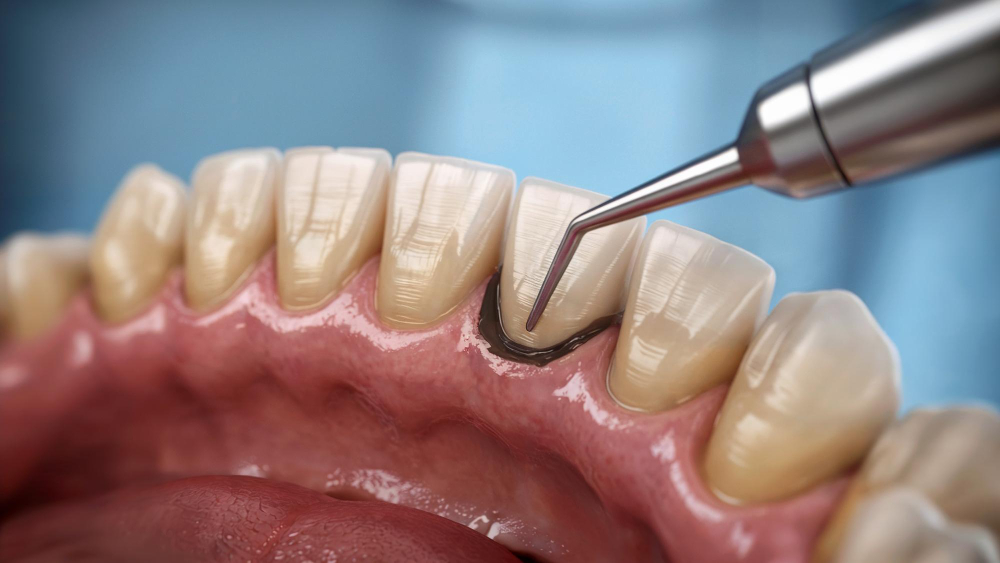
Dental scaling is a professional cleaning that removes plaque and tartar from your teeth. The importance of dental scaling cannot be overstated, as it helps keep your mouth healthy. While brushing and flossing are vital, sometimes they are not enough. Therefore, dentists recommend scaling to prevent gum disease and tooth decay. According to the CDC, regular dental cleanings are key to good oral health.
Why Scaling is Important
Scaling plays a big role in keeping your teeth and gums healthy. First, it removes hard deposits that brushing cannot reach. In addition, it helps prevent gum disease, which can cause tooth loss. If you skip scaling, bacteria can build up and harm your gums. Over time, this may lead to bad breath, bleeding gums, and even infections. For these reasons, scaling is an important part of dental care.
How the Scaling Procedure Works
Many people wonder what happens during a dental scaling. The process is simple and safe. Here is what you can expect:
Most people feel only mild discomfort, and the procedure usually takes less than an hour.
Who Should Consider Scaling
Not everyone needs scaling at the same time. However, some people are at higher risk. You may need scaling if you have:
In addition, smokers and people who do not visit the dentist often may need scaling more frequently. If you notice any of these signs, talk to your dentist about professional dental cleaning.
Benefits of Regular Scaling
Regular scaling offers many short- and long-term benefits. For example, it:
According to the World Health Organization, regular dental care, including scaling, lowers the risk of serious oral problems.
Myths and Facts About Scaling
There are many myths about dental scaling. Let’s clear up some common ones:
Therefore, trust your dentist’s advice about the benefits of teeth scaling.
Prevention and Aftercare Tips
After scaling, it is important to care for your teeth and gums. Here are some tips:
By following these steps, you can keep your mouth healthy after professional dental cleaning.
Conclusion
In summary, the importance of dental scaling lies in its ability to protect your teeth and gums. Regular scaling removes harmful buildup and helps prevent serious oral problems. If you have signs of gum disease or want to keep your smile bright, consult Dr Jagadish to learn if scaling is right for you.