What Are Braces?
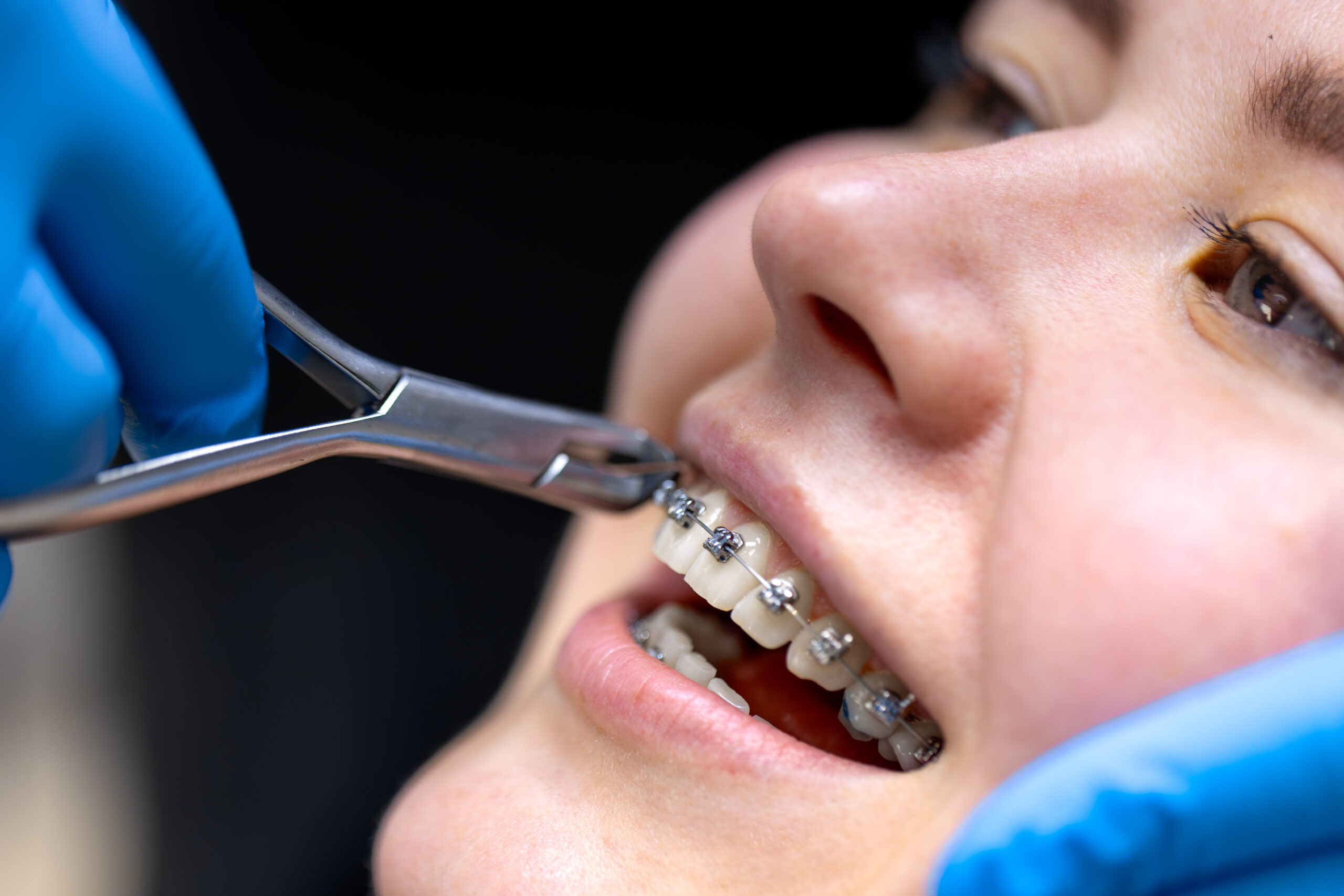
Braces are dental devices that help straighten teeth. They also fix bite problems and improve your smile. Many people, both children and adults, use braces to get healthier teeth. In fact, braces work by gently moving teeth into the right position over time. According to the American Association of Orthodontists, millions of people wear braces each year. While braces may seem complex, they are safe and effective when used under a dentist’s care.
Types of Braces
There are several types of braces available today. Each type has its own features and benefits. Because everyone’s needs are different, your dentist will help you choose the best option. Here are the most common types of braces:
Each type of braces has pros and cons. Therefore, it is important to discuss your options with your dental specialist.
Who Needs Braces?
Many people can benefit from braces. Usually, dentists recommend braces for children between ages 9 and 14. However, adults can also get braces. You may need braces if you have:
Sometimes, your dentist may notice problems during a regular checkup. If so, they may suggest braces to prevent future dental issues.
The Braces Procedure: Step-by-Step
Getting braces is a simple process. Here is what you can expect during the braces procedure:
Throughout the process, your dentist will guide you and answer any questions.
Benefits of Braces
Braces offer many benefits for your dental health and appearance. For example, they can:
According to the CDC, good dental alignment can help prevent future oral health problems. Therefore, braces are an investment in your long-term health.
Braces Care Tips and Maintenance
Proper care is important when you have braces. With good habits, you can avoid problems and get the best results. Here are some braces care tips:
Because braces can trap food, cleaning your teeth well is very important. If you follow these tips, you can keep your teeth and braces in great shape.
Common Myths About Braces
There are many myths about braces. However, most are not true. Let’s clear up some common myths:
Now you know the facts, so you can make better choices about your dental care.
When to Consult a Dentist or Orthodontist
If you think you or your child may need braces, it is best to see a dental specialist. Early visits can help spot problems before they get worse. You should consult a dentist or orthodontist if you notice:
Because every smile is unique, only a dental specialist can recommend the most suitable braces treatment for you. A personalized evaluation helps determine the right type of braces and ensures effective, comfortable results.
Consult Dr. Jagadish for expert orthodontic care and personalized guidance on braces to achieve a healthy, confident smile.